Animal Fodder & Cheese
Under Greenfield's Off-Take model, we install and operate a fully automated hydroponic fodder plant on your property at our expense, delivering fresh forage daily under a multi-year agreement — no equipment to buy, no capital outlay. Pair it with our integrated Cheese Complex to turn raw milk into a higher-value finished product on-site.
GHI 8000 Fodder System
Why Hydroponic Forage
Nutritional Value
The TDN of hydroponic barley fodder depends on various factors, such as growing conditions, seed quality, and the stage of growth at harvest (typically between 7 and 10 days).
Typical Range
The TDN of hydroponic barley fodder is usually between 75% and 85% on a dry matter (DM) basis. Harvest at 7 days runs around 75%–80% TDN; harvest at 10 days may be slightly lower due to the onset of lignification in the roots, but generally stays within range.
What Moves The Number
Growing conditions such as water quality, nutrients used and light affect the nutritional composition of the fodder. Earlier harvests tend to have higher digestibility and TDN, and the proportion of leaves, stems and roots consumed also shifts the value.
vs. Traditional Forage
Hydroponic barley fodder's TDN is very high compared to traditional forages such as alfalfa hay or corn silage, which range between 60%–70% TDN — making it ideal for balanced diets for high-performance animals like dairy cows or beef cattle.
Hydroponic fodder has a very good total of digestible nutrients; it will not be necessary to give any nutritional supplement, although you do have to mix in some straw for lignin.
Fresh Forage
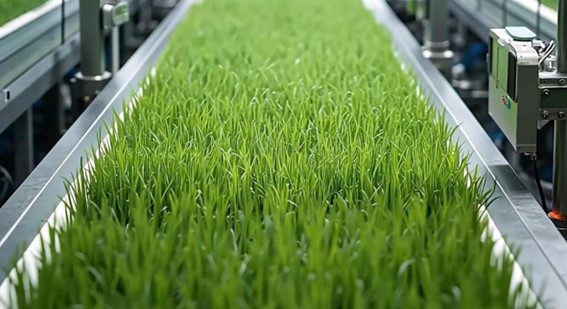
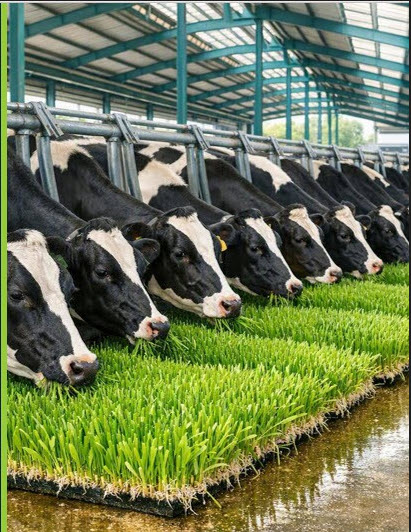
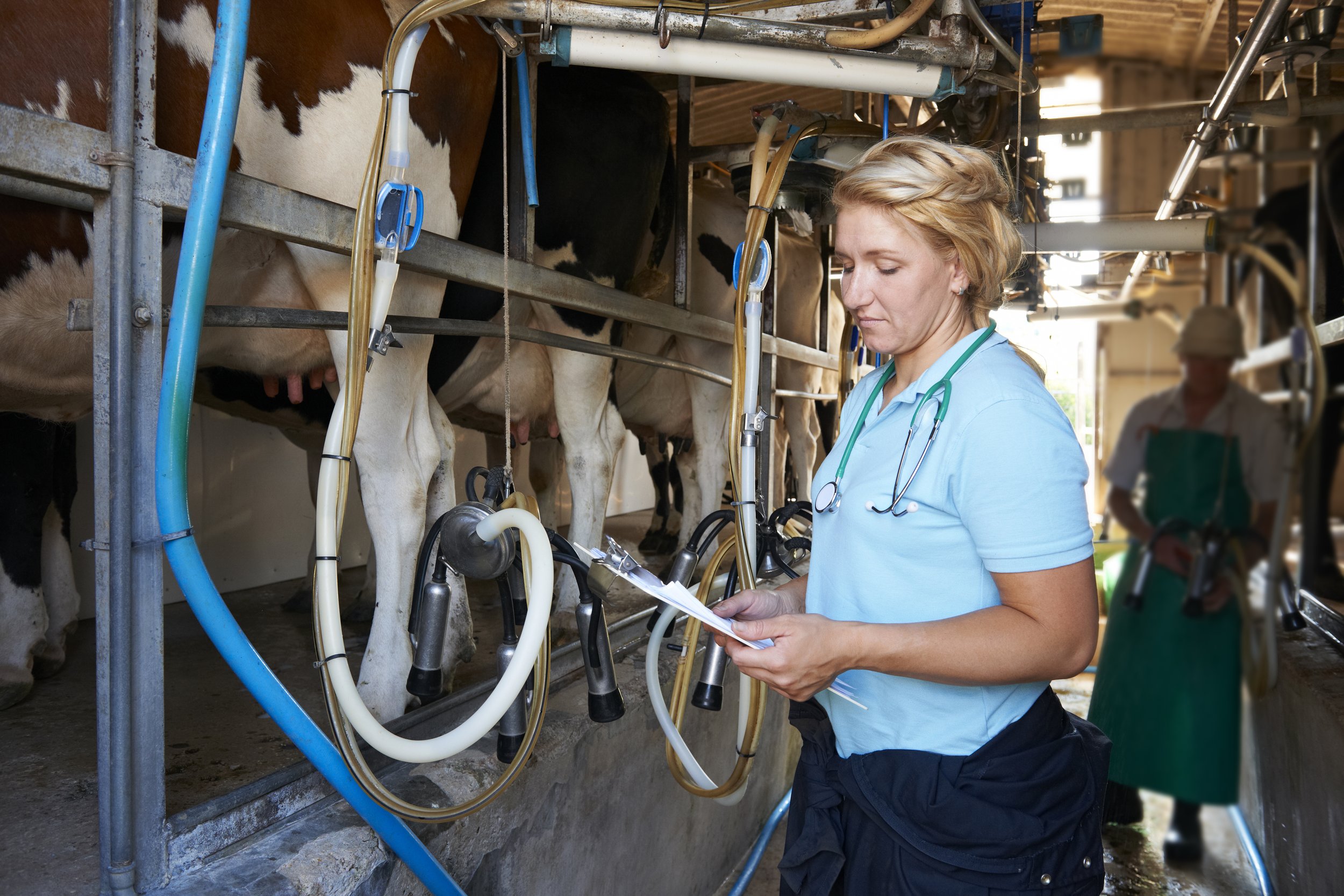
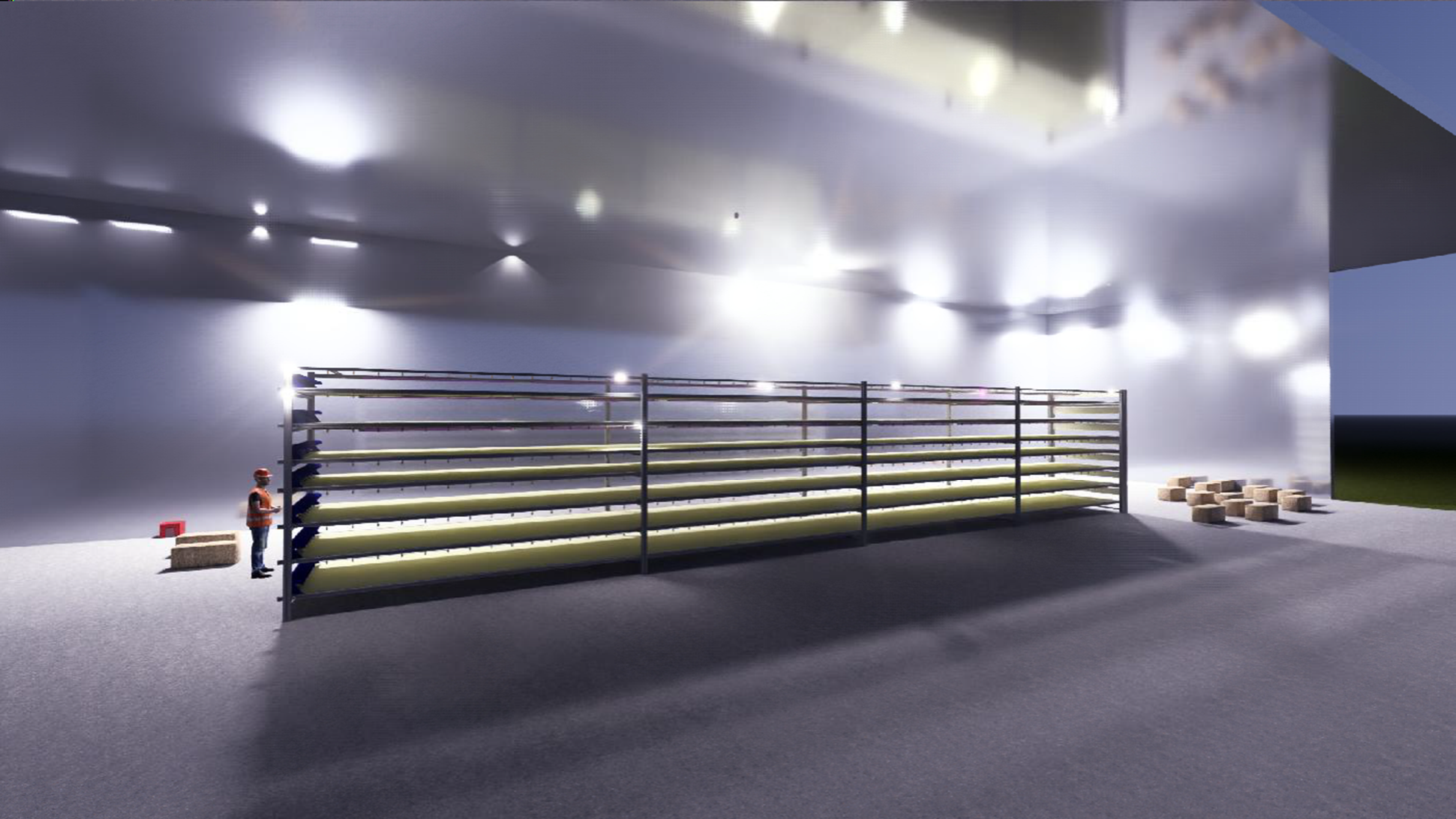
Each mat of hydroponic forage grows on-site under automated irrigation and climate control, then goes straight from the tray to the herd — fresh, dense and ready to eat the same day it's harvested.
Herd Health & Nutrition
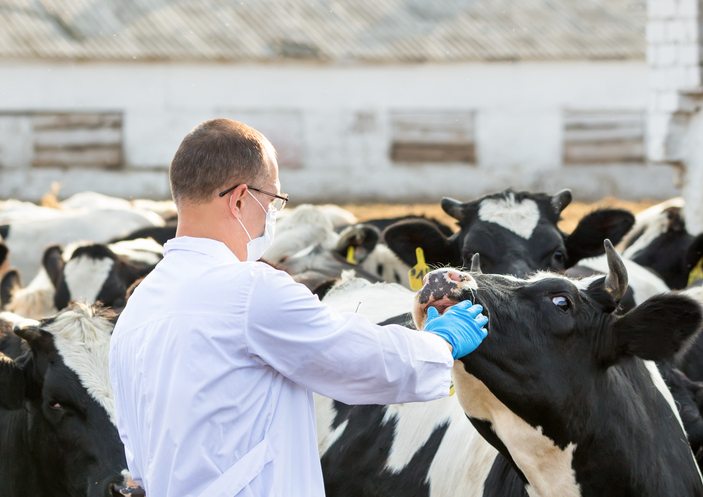
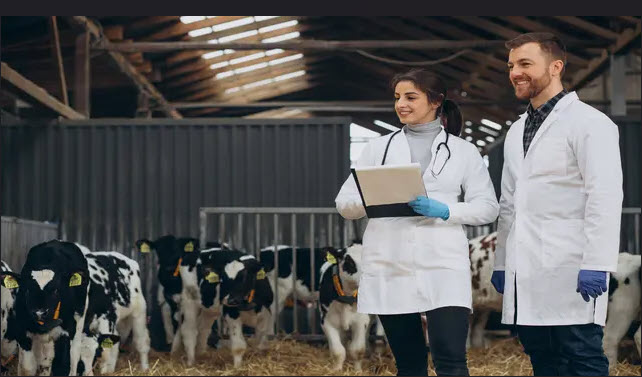
Every fodder program is set up alongside veterinary and animal nutrition professionals, so ration balance, animal health checks and feed transitions are managed with the herd's wellbeing in mind — not just yield.
Fodder By Species
Species 01
A dedicated system for the barn, engineered specifically for equine feeding programs.
View Horse Fodder →Species 02
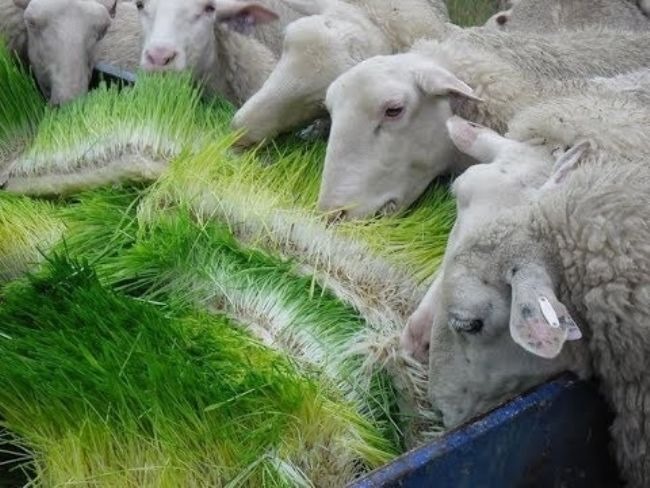
Continuous, weather-independent forage supply for flocks of any size.
View Sheep Fodder →Species 03
A fresh-feed component that reduces reliance on trucked-in commercial feed.
View Pig Fodder →Species 04
The ESG case for hydroponic dairy and cattle feed — lower methane, higher protein.
View Cow Fodder →Species 05
Full technical specifications available as a downloadable PDF.
Download Camel Fodder PDF →Species 06
Sized to herds from a handful of animals up to full commercial scale.
View Goat Fodder →Beyond Fodder
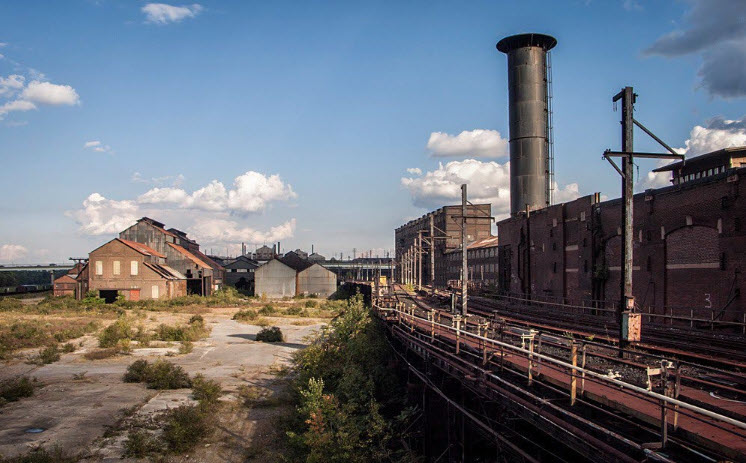
Greenfield's minimum Industrial Complex houses a hydroponic forage plant, a milk processing plant, and a cheese ripening chamber in one facility — letting small and mid-size dairy farms stop selling milk at commodity prices and start selling cheese, yogurt and smoothies instead.
Greenfield installs and operates the plant on your property at our expense under a 5–10 year Off-Take Agreement; you provide land, utilities and insurance, we provide the equipment and a plant operator.
Tell us your species, herd size and daily feed requirements for a complimentary preliminary proposal.