Every new residential development competes on roughly the same list of amenities: a pool, a clubhouse, maybe a dog park. A community-scale vertical farm is a different kind of selling point — residents get walkable access to fruits, vegetables and herbs grown on-site, and the development gets something a pool simply can't offer: a visible, ongoing amenity that produces something.
Fits a footprint most people underestimate
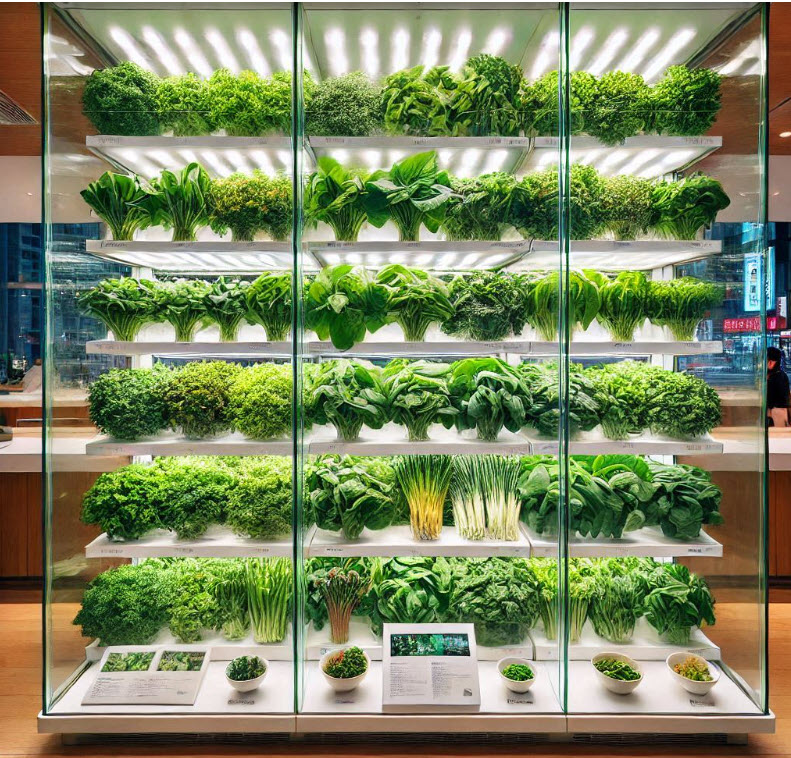
The most common objection is space. But vertical growing means a meaningful production volume fits into a building the size of a clubhouse, or even a repurposed amenity room — not acres of open field. Greenfield's engineering team designs the layout around whatever space the community already has, whether that's a dedicated building, a converted clubhouse room, or an outdoor pavilion, sizing the grow system, irrigation and lighting to match.
What residents actually get
- Fresh, pesticide-free produce — harvested on-site, which eliminates the transport time and spoilage that comes with trucked-in groceries, and grown in a controlled environment free of soil-borne pests.
- A genuinely differentiated amenity — a working farm stays visible and ongoing in a way that static amenities don't.
- Remote monitoring — the same AgTech SmartAPP used across Greenfield installations can be paired in, so HOA staff can manage the system without a farming background.
The business case
Beyond the resident experience, the case for developers rests on a few consistent points: guaranteed freshness from production inside a closed community, reduced environmental impact through efficient resource use, products available for sale or distribution immediately after harvest, and complete traceability from farm to table. For communities weighing whether food security matters to their residents, on-site production also means reduced reliance on external supply chains during shortages or disruptions — along with the more everyday benefit of direct access to organic food supporting a healthier, more balanced diet.
Container-based farms take this even further: custom-designed to match a community's aesthetics, they provide daily cultivation of nutritious, organic food without harmful pesticides or chemicals, in a format that can be sized up or down as the development grows.
Getting started
The process starts the same way it does for any site: send a site plan and the amenity square footage available, and Greenfield's team returns with a complimentary proposal sized to the space.