Walk past enough vacant lots in an older industrial corridor and a pattern starts to emerge: a shuttered gas station here, a fenced-off scrap yard there, a strip mall that used to house a dry cleaner. The U.S. Brownfields Revitalization Act has a formal name for all of it — a brownfield is any property whose redevelopment "may be complicated by the presence or potential presence of a hazardous substance, pollutant, or contaminant." Not every vacant lot qualifies. But when contamination is involved, it drives both the cost of redevelopment and the liability attached to it, which is exactly why so many of these sites sit idle for decades.
The scale is bigger than most people expect. Federal counts put the number of brownfield sites nationwide above 450,000 — former smelters, closed fuel depots, vacant rail yards, unsafely demolished structures. Each one is a candidate for the same thing: clean, above-ground food production that never has to touch the soil beneath it.
A case study: from steel to soil
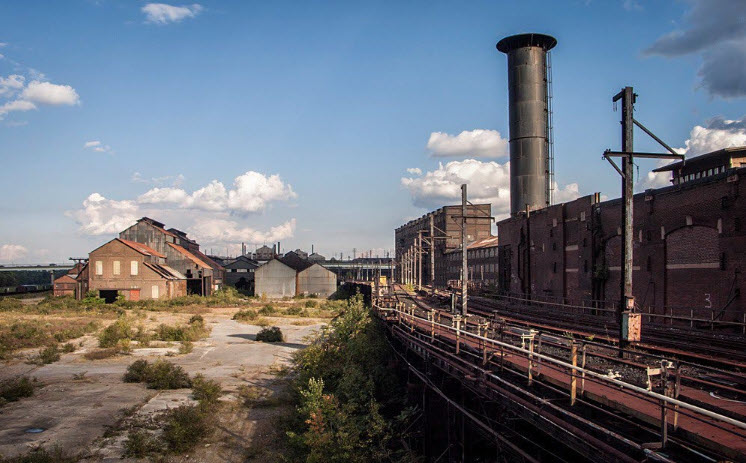
Bethlehem Steel's former complex in Bethlehem, Pennsylvania is a useful illustration of the timeline involved. The 1,800-acre steelmaking site sat idle and contaminated for decades after its last furnace shut down in 1995. It wasn't until 2015 that its ore trestle reopened as an elevated public greenway — twenty years of heavy-industrial land waiting for a use that didn't require full soil remediation.
Above-ground cultivation lets sites like this grow food years before soil remediation is complete.
That's the gap Greenfield Hydroponics is built to close. Instead of waiting on a multi-year cleanup timeline, a site gets sealed, a growing system goes on top, and food production starts almost immediately.
Why grow above the ground
If the soil on a site can't be trusted, the answer isn't to trust it less carefully — it's to take the crop off the soil entirely. Greenfield's approach layers a few different techniques depending on the site:
- Raised beds — clean, imported soil in contained frames, fully isolated from whatever contaminants sit beneath.
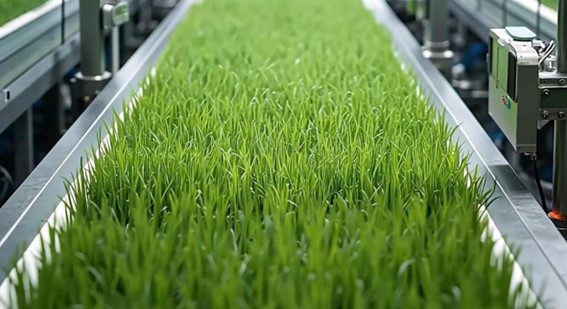
- Hydroponics and aquaponics — soil-free nutrient delivery in water, which also means higher yield from far less land.
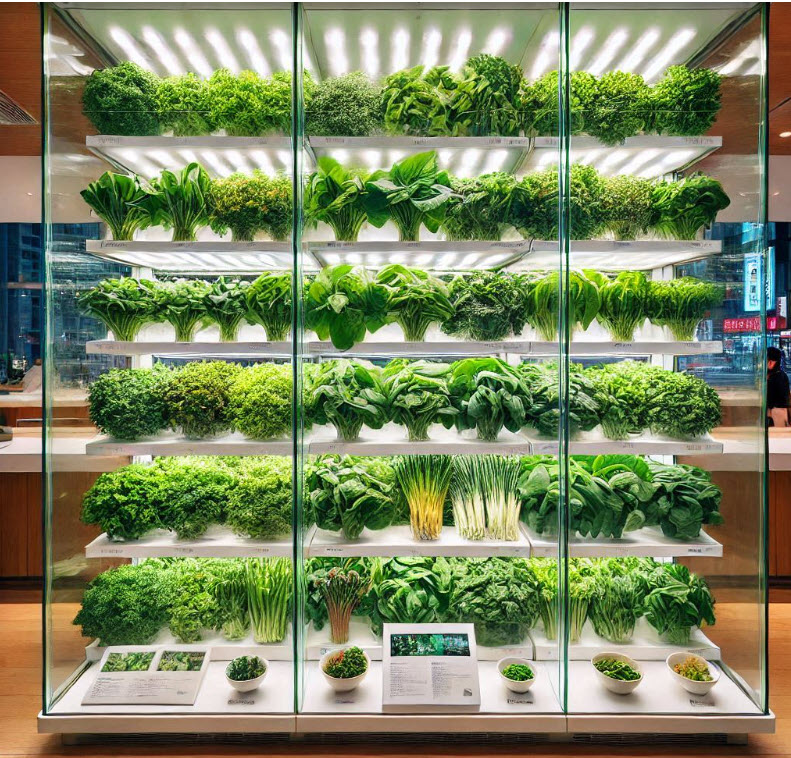
- Vertical and container systems — stacked growing area that works on hardstand, parking decks and rooftops alike.
- Greenhouses — a controlled environment that extends the growing season and shields crops from weather entirely.
Food safety comes first in every configuration: no root contact with contaminated ground, and no waiting on remediation before the first harvest.
The bigger math: agriculture for a growing population
Global population is projected to climb from roughly 7.8 billion today to 9.7 billion by 2050, which means food output needs to rise by as much as 70% over the same period. Conventional farming practice would need roughly 20% more land to hit that number — land that, in many regions, simply isn't available, especially as climate extremes continue to cut into yields.
Reclaimed brownfields close part of that gap without converting a single new acre of wild or farm land. The sites are already cleared, already serviced with utilities, and usually sitting close to the people who need the food most — which is precisely the combination that makes them worth a second look.
What it takes to get started
Turning a brownfield into a greenfield starts with a site visit. Greenfield Hydroponics assesses the property, sizes a growing system to match the space and crop mix, and can have food growing on-site well before a conventional remediation plan would even be finalized. Services span site assessment, system sizing, and installation with crew training included.