Animal Fodder & Cheese › Cow Fodder
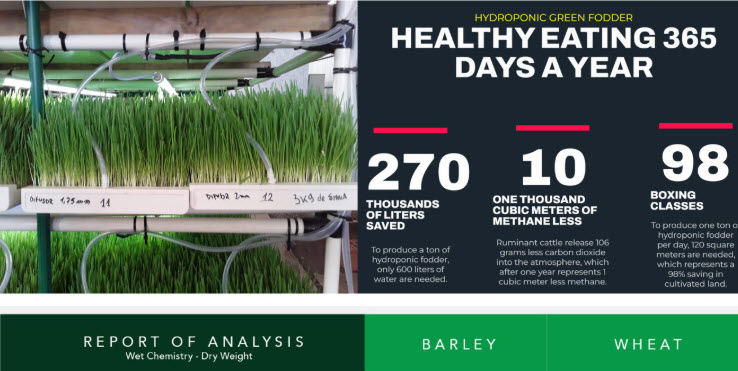
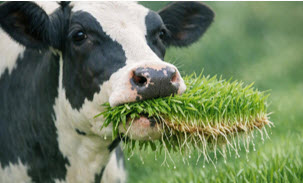
Hydroponic fodder's high digestibility and optimized nutritional profile allow for more efficient ruminal fermentation — cutting methane emissions by up to 60% versus conventional cattle feed, according to peer-reviewed research.
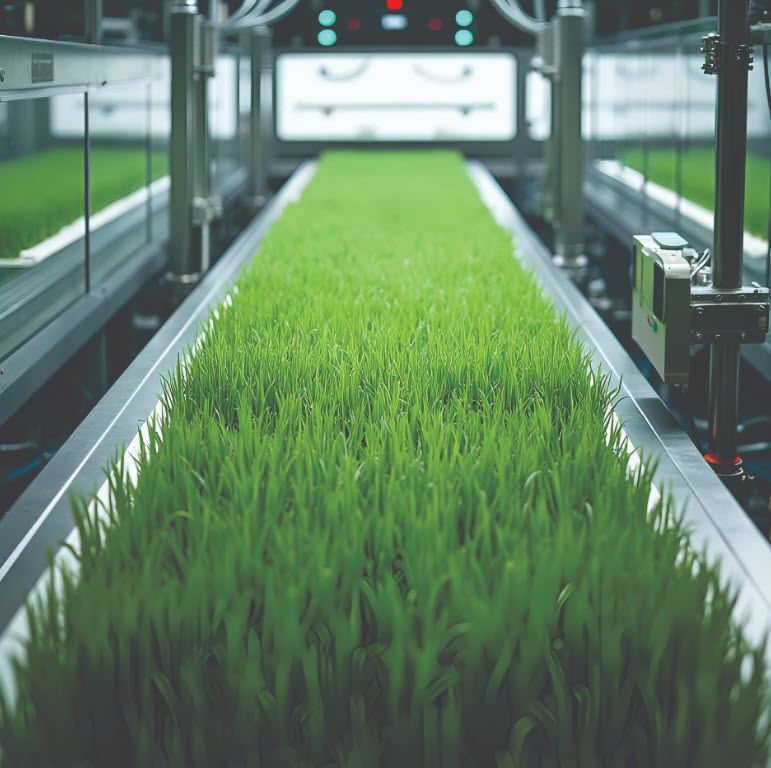
Automated Fodder Systems for Dairy Cows
See It In Motion
Peer-Reviewed Research
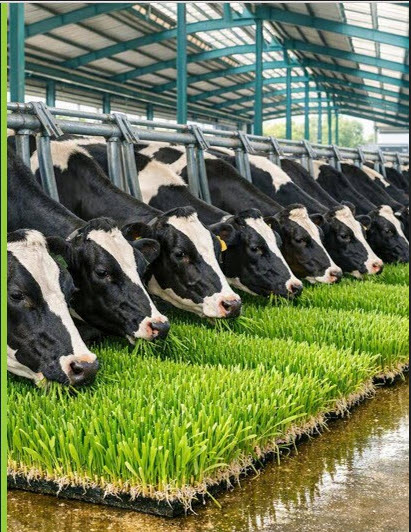
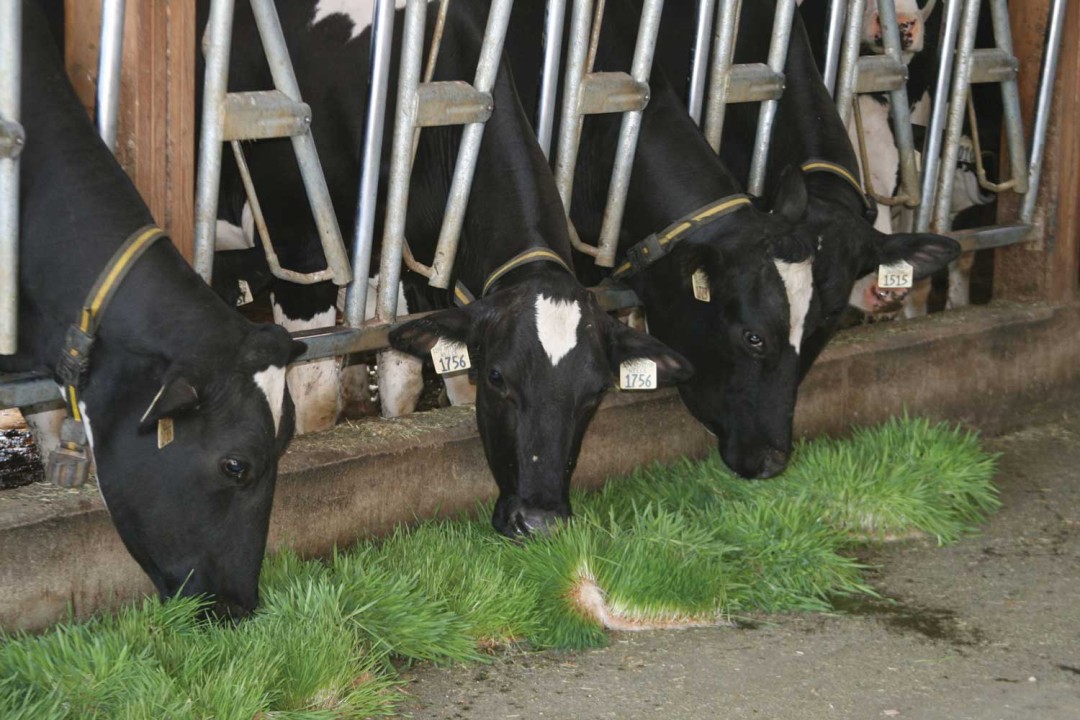
The use of hydroponic fodder in cattle feed contributes to reducing methane emissions, because its high digestibility and optimized nutritional profile allow for more efficient ruminal fermentation. As an easier feed to break down in the rumen, cattle produce less methane during digestion compared to conventional fodder.
Proven Advantages
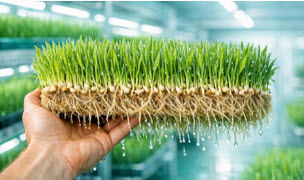
Hydroponic forage is rich in nutrients, which improves animal health and performance. Independent wet-chemistry analysis by Dairyland Laboratories shows barley and wheat sprouted for 3–6 days reach 15–17% crude protein and 75–80% total digestible nutrients on a dry-matter basis — protein comparable to good alfalfa hay, with most of every kilogram available as digestible energy. That high digestibility improves nutrient absorption, optimizes feed conversion and supports milk production in dairy herds and efficient weight gain in fattening cattle.
Protein
Six-day barley tests at 17.1% crude protein (dry matter), supporting milk protein and muscle development.
Energy
High total digestible nutrients and low acid-detergent fiber mean faster, fuller absorption and better feed conversion.
Minerals
In sprouted barley, zinc roughly triples versus the seed — important for hoof health, immunity and fertility.
Emissions
More efficient ruminal fermentation means measurably lower methane output per animal, per day.
Harvest timing is a lever: a 3-day harvest maximizes energy, while a 6-day harvest maximizes protein and fiber for rumen function. Greenfield’s nutritionist sets the cycle to each herd’s goals. Hydroponic fodder is fed as a high-value part of the ration alongside forage, not as a total replacement.
What A Feed Contract Delivers
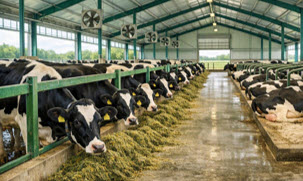
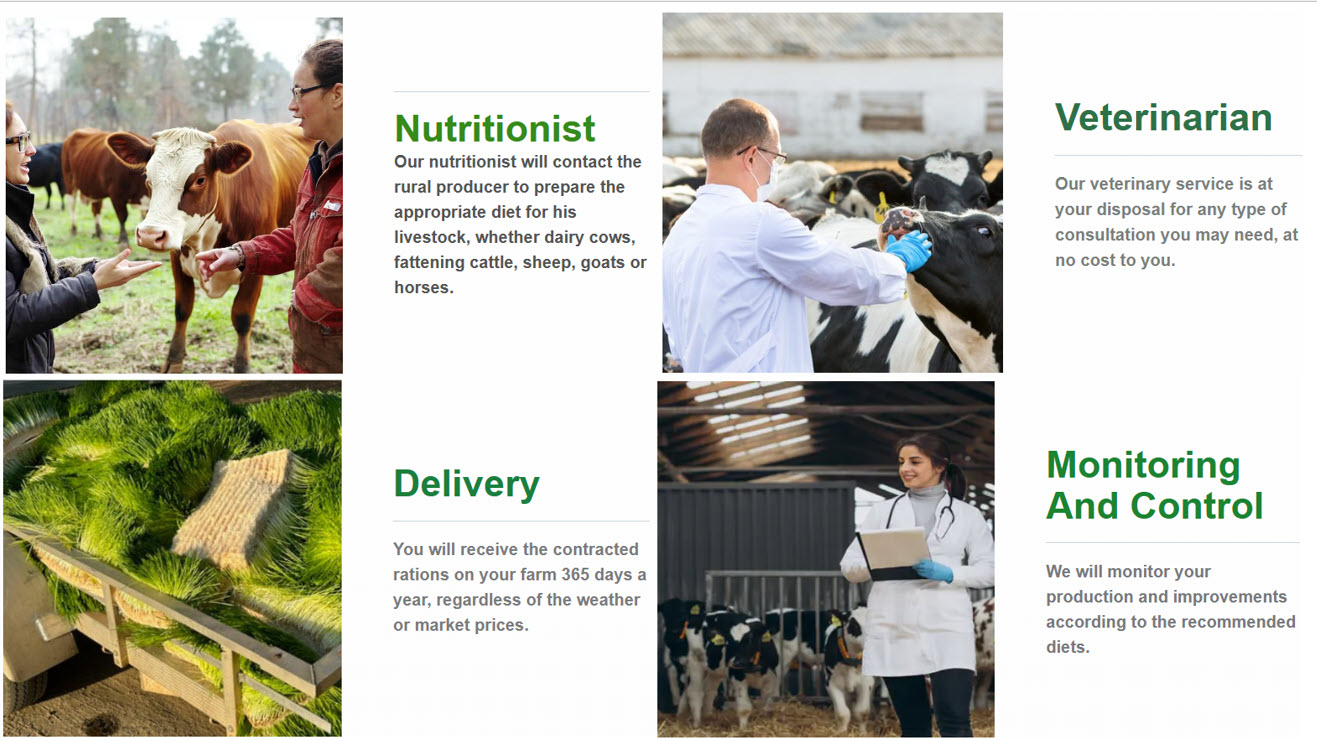
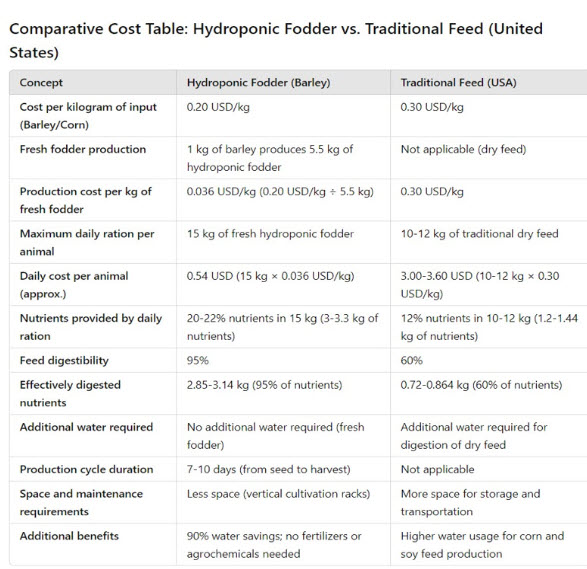
A feed contract with Greenfield offers continuous access to fresh, high-quality hydroponic forage; a guaranteed, constant and balanced nutritional profile for your herd; cost reduction through optimized feed conversion and improved weight gain; reduced environmental impact through lower methane emissions; and a stable supply that doesn't depend on weather conditions. Livestock on hydroponic forage also tend to show better health and well-being, increasing productivity and the profitability of the operation.
Speed & Scalability
Cycle
The cultivation cycle in hydroponic systems is significantly shorter than in traditional farming, delivering high-quality forage in a fraction of the time.
Scale
Systems adapt easily to different animal species and production volumes, scaling to serve large herds as readily as small ones.
Climate Independence
Control
Hydroponic systems allow temperature, humidity and light to be controlled, ensuring consistent, high-quality production regardless of outdoor conditions.
Resilience
These systems are less vulnerable to extreme weather events like droughts or floods, making them a reliable feed source in emergency situations.
High Production Density
Footprint
Large volumes of forage grow in a tight footprint — especially valuable on sites with limited land.
Resources
High production density translates into greater efficiency in the use of water and nutrients per pound of forage produced.
Operational & Logistical Ease
Labor
Highly automated systems reduce the need for specialized labor and streamline day-to-day operations.
Design
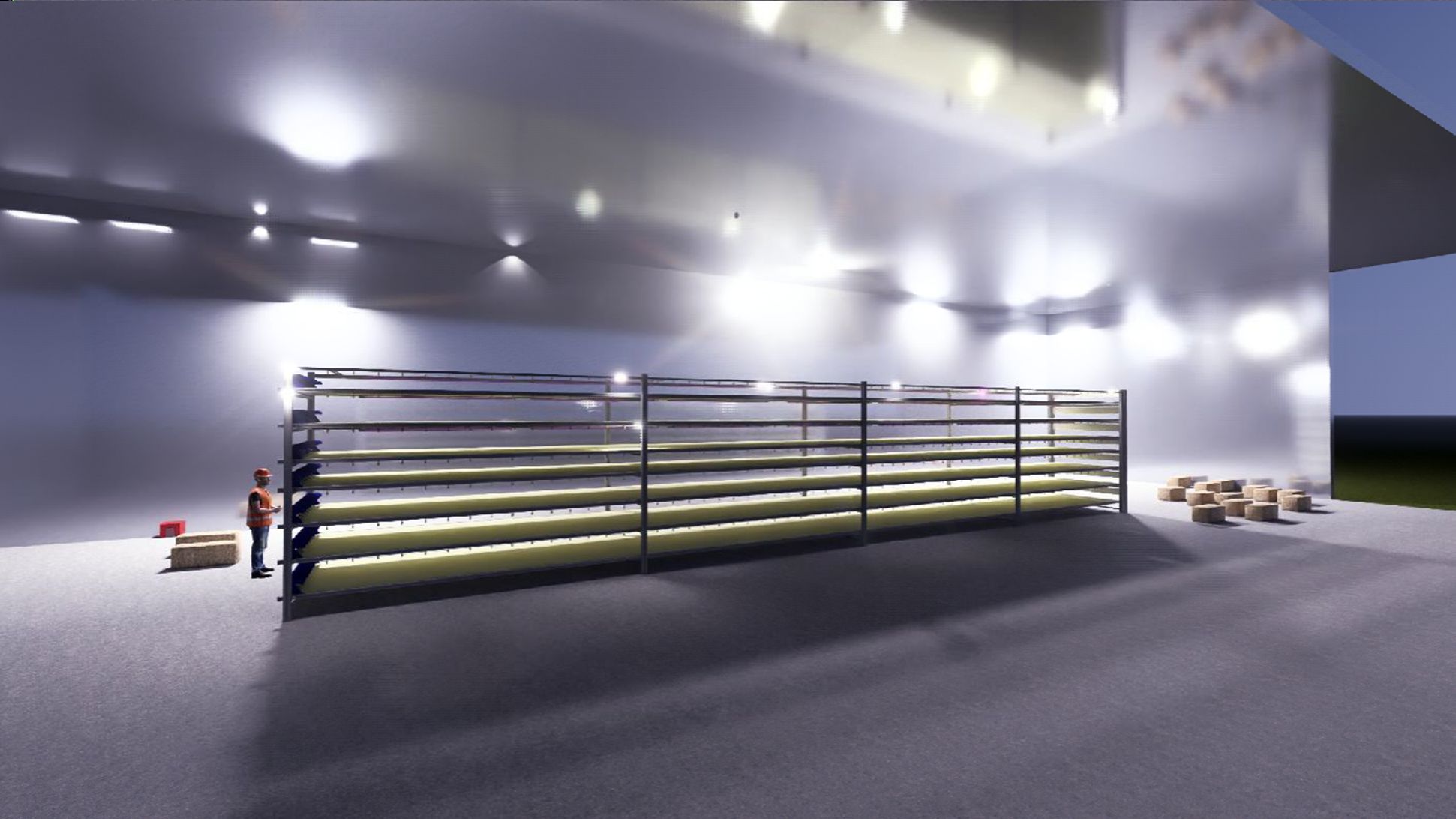
Hydroponic plants are designed in modules, making them easy to transport, install, and expand to new locations.
Distribution
Hydroponic forage is easy to handle and transport, speeding distribution — including to emergency-response areas.
Irrigation & Climate Control
Irrigation
Automated irrigation systems distribute nutrient solutions to the grow trays using drip or flood systems, with integrated drainage.
Sensing
Sensors monitor temperature, humidity and CO2 levels, automatically adjusting ventilation and irrigation to keep forage growth optimized.
Responsible Deployment
Water
Systems recirculate water, minimizing consumption and reducing pollution, while cutting reliance on pesticides and fertilizers.
Fit
Hydroponic forage should be seen as a complement to other food sources, not a one-size-fits-all solution.
Climate
Systems must adapt to local conditions — temperature, humidity and energy availability all shape the right configuration.
People
Training local growers in hydroponic system management is essential to long-term sustainability.
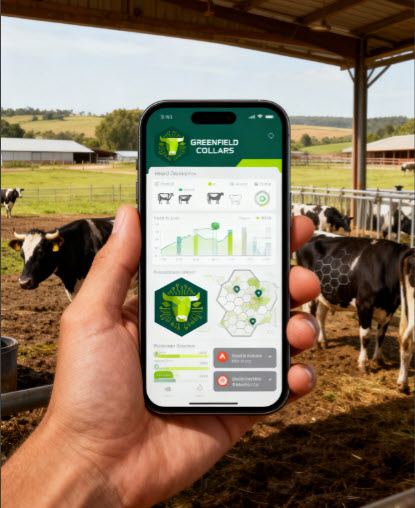
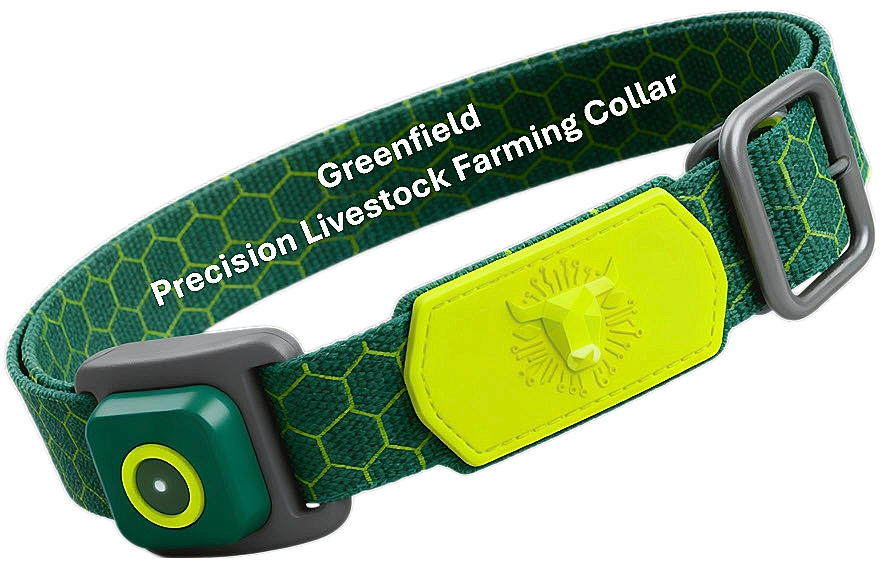
Greenfield Smart Collars
Greenfield Smart Collars bring precision livestock farming to the individual animal. A 3-axis accelerometer and skin-temperature sensor on each collar track rumination, activity, feeding, rest and heat 24/7. Readings travel wirelessly to an on-farm gateway, cloud analytics flag anomalies, and health and heat alerts arrive straight on your phone. Rumination is one of the clearest signals of how a cow is responding to her ration, which makes the collars a natural partner to a hydroponic fodder program.
Key Specifications
Fertility
Pinpoint the optimal insemination window to lift conception rates.
Calving
Get notified as calving nears so you can be there in time.
Health
Falling rumination and activity flag sick cows before clinical signs appear.
Welfare
Spot heat-stressed cows and adjust shade, water and feeding.
Published dairy smart-collar studies report typical improvements of around 10% in milk yield, 12% in conception rate, 25% fewer sick-cow days, 20% lower vet costs and 30% less labour time — a return that grows with herd size. Actual results vary by herd.
Our engineering team will assist you in designing a customized solution based on the size of your herd and daily feed requirements (lbs or kg). Contact us for a preliminary complimentary proposal.